Traceability first
Every stone can be followed back to the lab where it was grown, and each one is graded for cut, color, and clarity. That record travels with the piece, not just the purchase.
Iceberg Diamonds is a boutique jewelry studio in Buenos Aires built around a narrow idea: a diamond should be something you can trace, question, and understand before it is ever set into metal.
Every stone in the catalog can be followed back to the lab where it was grown, and each one is graded for cut, color, and clarity. That record is the starting point of a conversation, not a footnote.
Couples are walked through stone selection, CAD ring modeling, sizing, and resizing at a pace that leaves room for second thoughts. Nothing is rushed toward a decision.
Work is carried out in 18k gold and platinum across brilliant-cut solitaires, halo settings, eternity bands, and minimalist everyday pieces, so a ring holds up long after the occasion it was made for.
Guides written in Spanish explain how lab-grown and mined stones differ, how to care for a piece, and how to read a grading report without jargon. The point is to make the technical side legible.
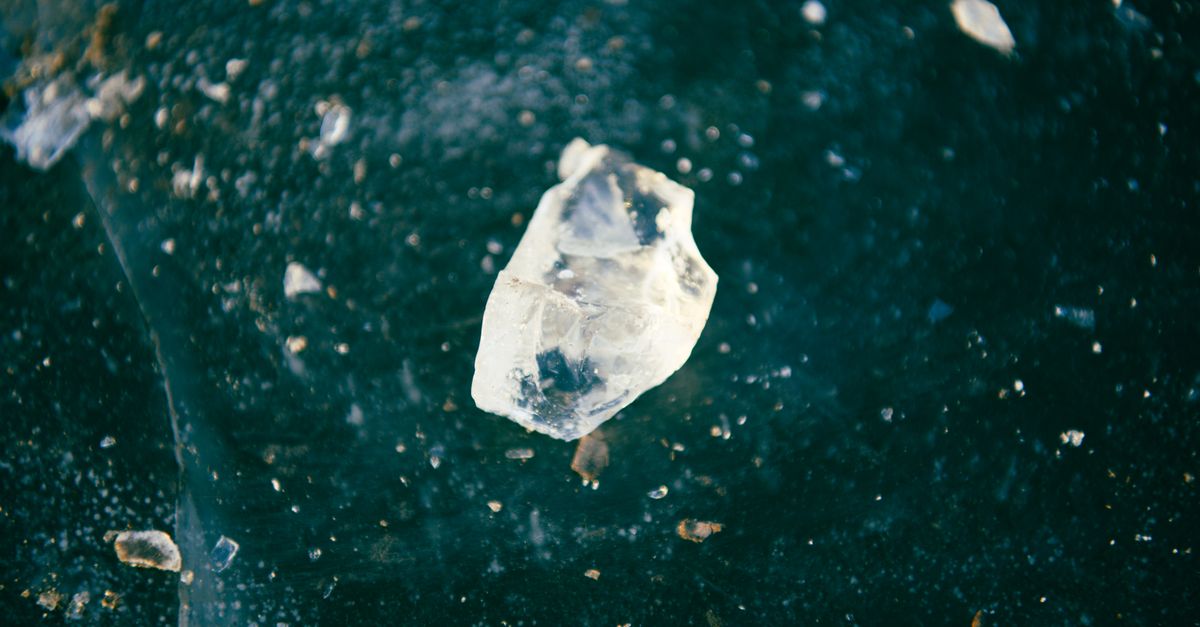
A few views of the materials and tools that come up again and again in the studio: faceted stones under light, a grading report on the desk, gold settings laid out before assembly, and the small instruments used for measuring and cleaning.
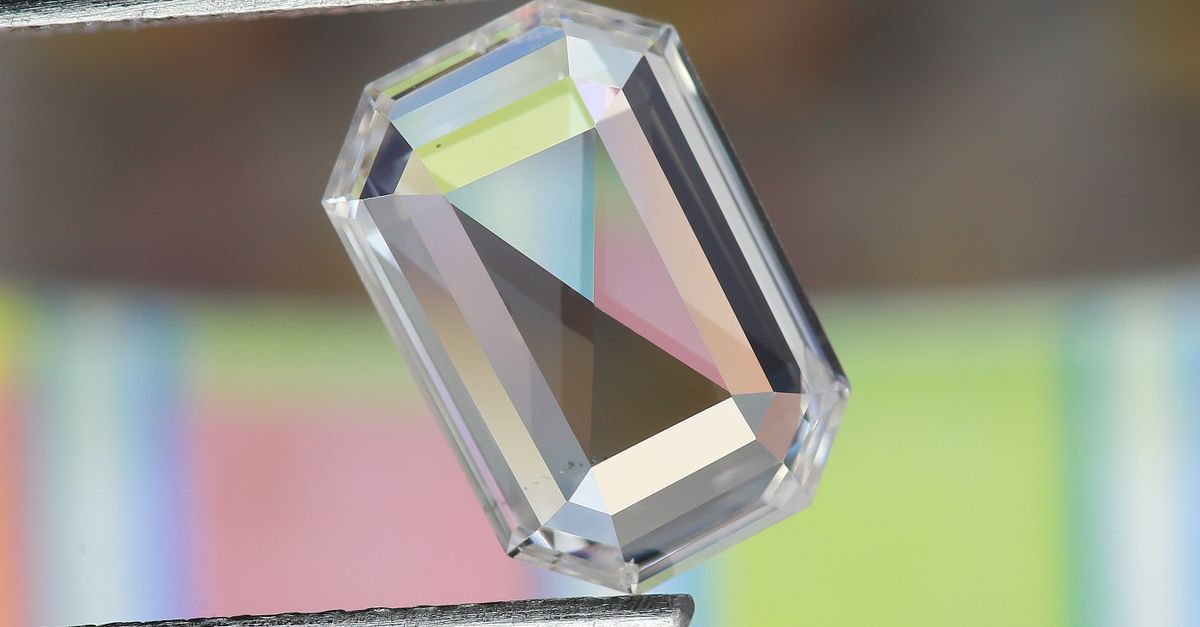
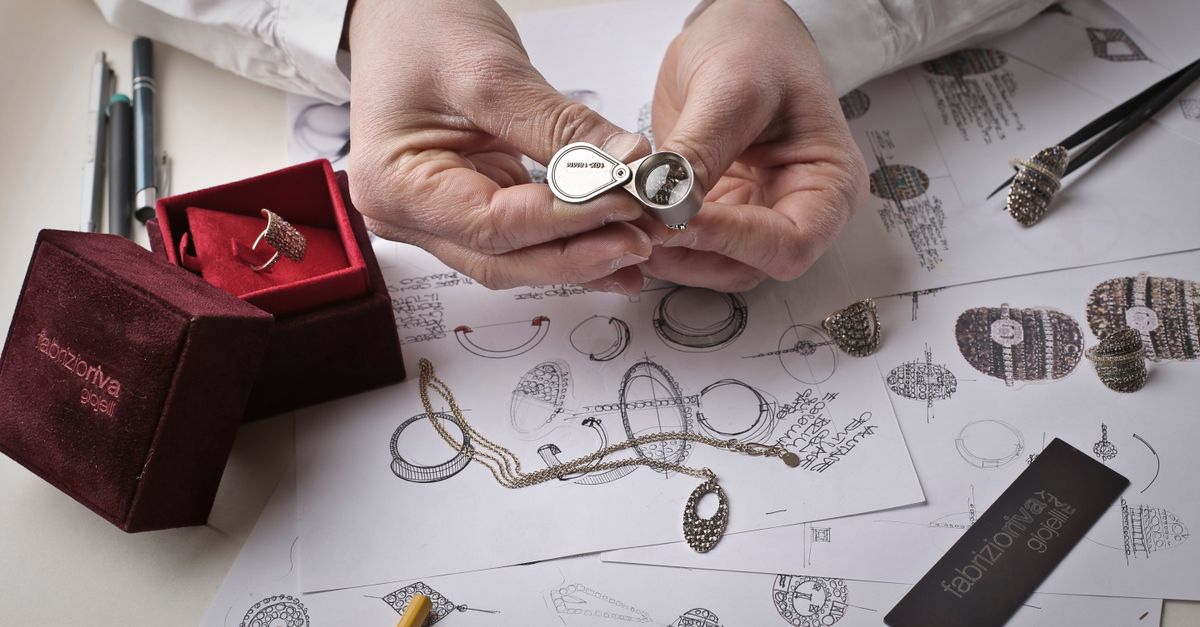


Iceberg Diamonds is a boutique jewelry studio in Buenos Aires built around lab-grown diamonds, custom engagement rings, and certified loose stones. The name is deliberate: what matters most sits below the surface, in the grading report, the growth lab record, and the metal that holds the stone.
Every stone can be followed back to the lab where it was grown, and each one is graded for cut, color, and clarity. That record travels with the piece, not just the purchase.
Work is carried out in 18k gold and platinum, across brilliant-cut solitaires, halo settings, eternity bands, and quieter everyday pieces meant to be worn without ceremony.
Couples move through stone selection, CAD ring modeling, sizing, and resizing at a pace that leaves room for questions. Nothing is rushed to a decision.
Spanish-language guides explain how lab-grown and mined stones differ, how to care for a ring over years of wear, and how to read a grading report without the jargon that usually surrounds it. The goal is simple: clients should understand what they are buying before they commit to it.
In-person consultations take place in Palermo, and protected shipping is available across Argentina plus international delivery. Visitors can see the stone before it is set.
Iceberg Diamonds keeps a small circle of collaborators, and every one of them is named here rather than implied. The list below covers the relationships that shape how a stone moves from a growth lab to a finished piece.
Each lab-grown stone in the catalog can be traced back to the facility where it was produced. That traceability is the reason the studio works with a defined set of growers instead of buying from open trays.
Independent grading sits between the grower and the client. Cut, color, and clarity are assessed by third-party laboratories, so the report you read is not written by the party selling the stone.
The 18k gold and platinum used across solitaires, halo settings, and eternity bands comes from established metal suppliers. Their material is what the CAD models are ultimately cast in.
Ring modeling and casting are handled with partners who work to the studio's specifications. This is the stage where a design drawn around a specific stone becomes a physical band.
Deliveries across Argentina and internationally go out through protected transport services. The shipment protection is arranged separately, which is why dispatch details are confirmed individually rather than assumed.
The Spanish-language guides on lab-grown versus mined stones, care routines, and grading reports are written with contributors who work in the trade. Their input keeps the explanations plain rather than promotional.
No other partnerships, endorsements, or ratings are claimed. If a relationship is not listed here, it is not part of how the studio operates.